_画板-1-e1760947912226.png)
_画板-1-1-300x300.png)
Consumers want precision. They want sustainability. They want brands that don’t just sell a product—they sell a promise. And they’re voting with their wallets. Patches are no longer a niche add-on. They’re a core product line for 2026.
Here’s how to own it—without building a lab, hiring R&D, or waiting months for your first batch.
Why Patches Are the 2026 Profit Center
Targeted delivery is the new standard. Patches deliver actives exactly where needed—no irritation, no mess, no downtime. That’s why brands like Peace Out and Hero Cosmetics are seeing double-digit growth. But it’s not just about performance.
Sustainability isn’t a side note. It’s a filter. Reddit threads, consumer surveys, and retail buyer feedback all point to one thing: eco-conscious buyers will walk away from brands that don’t use recyclable or compostable materials.
And innovation? It’s accelerating. Microneedle patches. Layered formulations. Smart patches with QR codes linking to skin tracking apps. These aren’t futuristic fantasies. They’re live products in development. The race isn’t just for shelf space—it’s for first-mover advantage.
That’s where private label comes in. Own your formula. Own your brand. Own your margins—without the cost of in-house production.
What’s Inside Your Patch
Hydrocolloid base is non-negotiable. It absorbs fluid, protects the lesion, and reduces inflammation. But the real differentiator is what’s added on top.
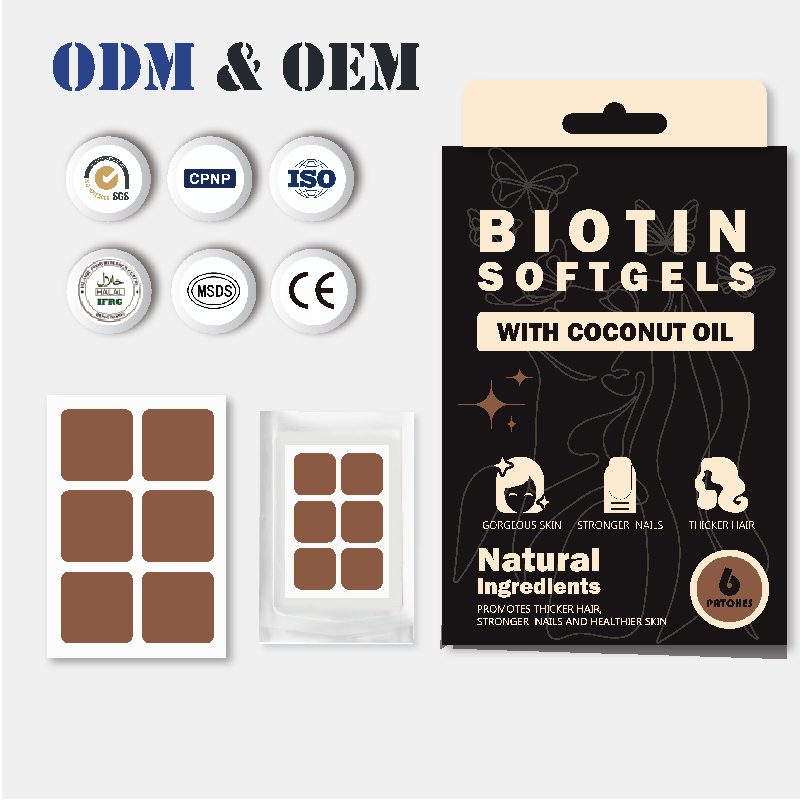
Salicylic acid for clogged pores. Niacinamide for redness. Retinol for aging. Peptides for scarring. The mix defines your brand’s promise. And with microneedle tech, you can deliver deeper, more effective results—without irritation.
But materials matter just as much. Generic suppliers still use plastic films and non-recyclable laminates. We don’t.
We use plant-based hydrocolloids (cellulose, alginate) and compostable films (PLA, PBAT). All fully biodegradable. All certified. No greenwashing.
Customization That Actually Sells
You don’t need to copy what’s already out there. You need to out-differentiate it.
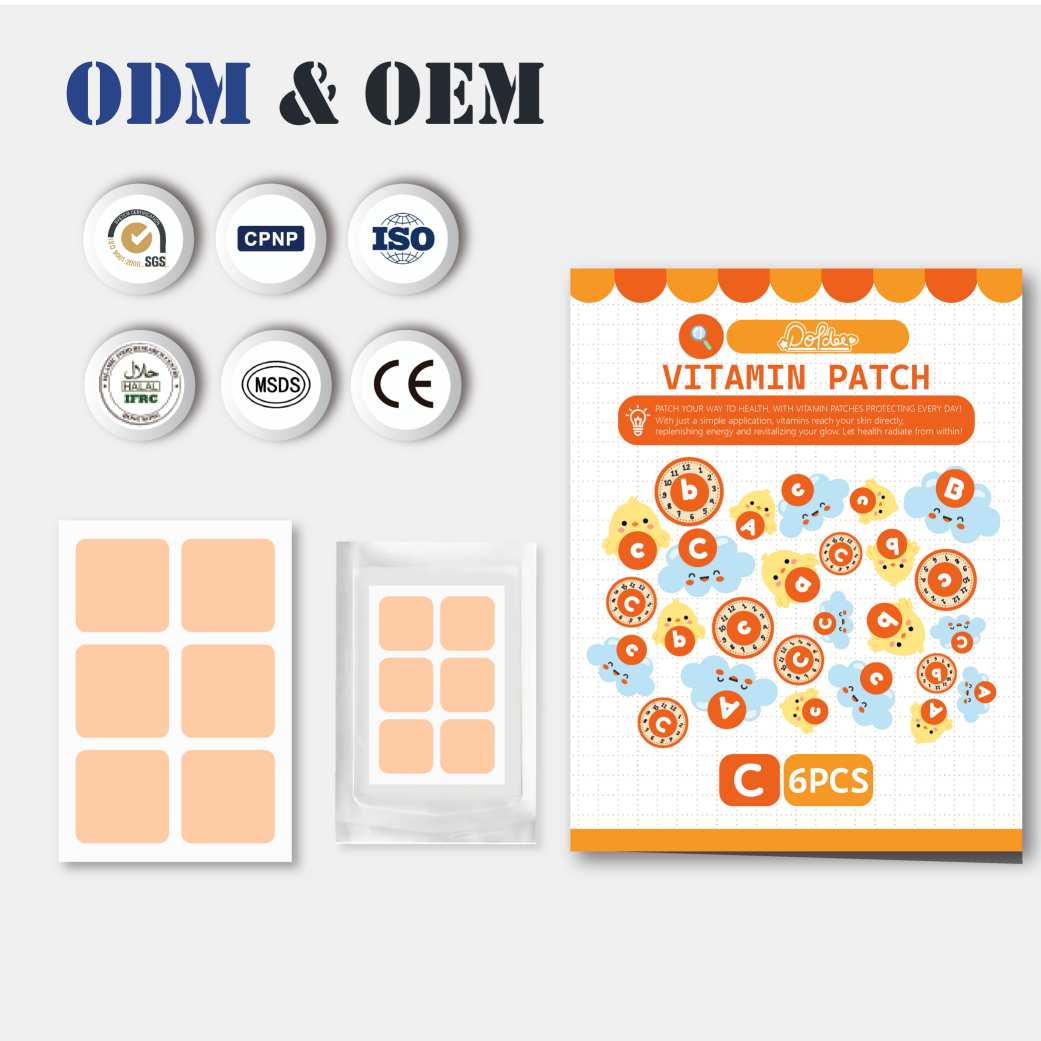
Shape matters. Heart-shaped patches for Valentine’s. Mini patches for the nose, back, or lips. These aren’t gimmicks—they’re conversion drivers. People buy them because they feel personal.
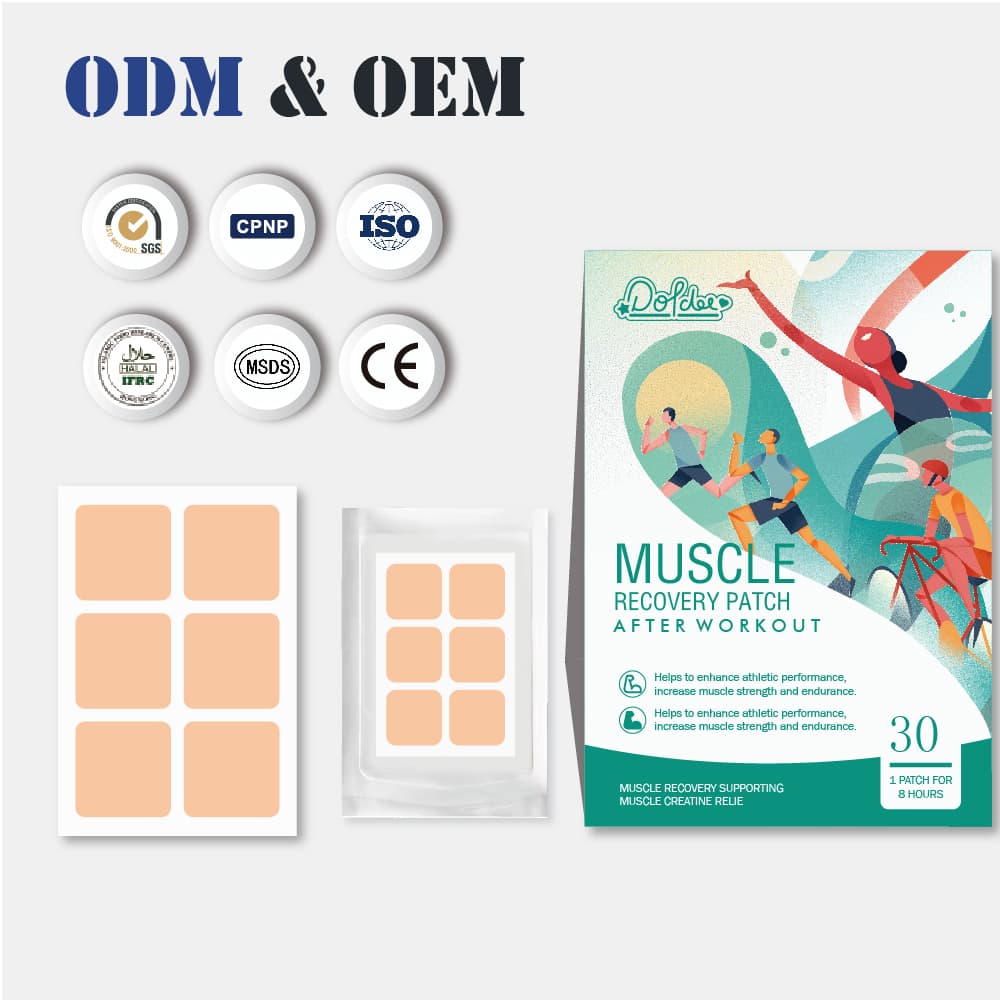
Formulation is where you win trust. “Calm & Glow” with chamomile + niacinamide. Dual-phase patches: one side for acne, reverse for scar repair. These are not just products—they’re stories.
And yes, we can build smart patches. QR codes that link to your brand’s skin tracker. Embedded sensors (in development). These aren’t pipe dreams. They’re real, and they’re ready to launch.
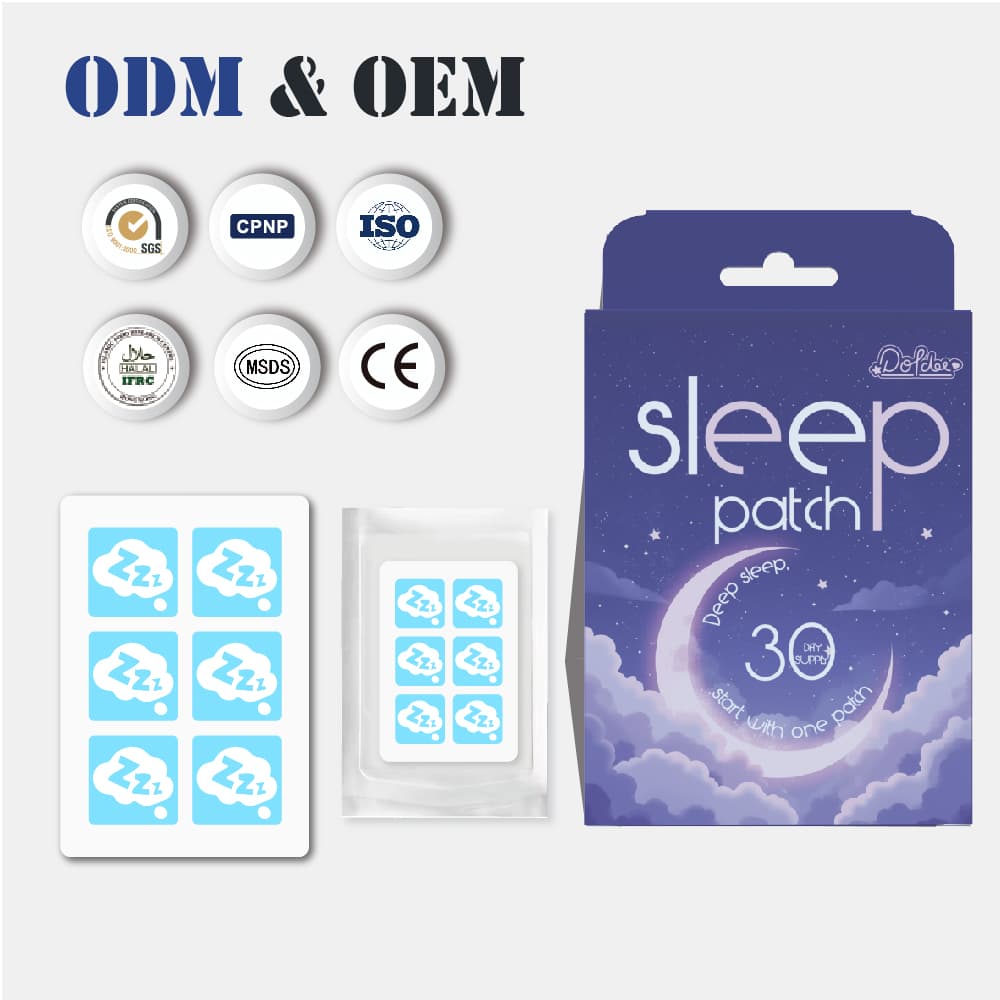
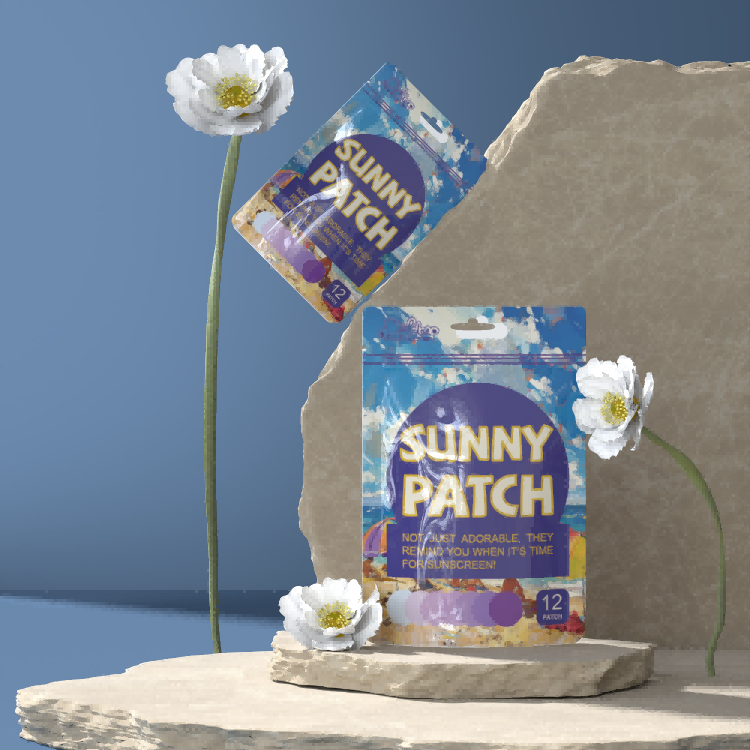
Private label isn’t just branding—it’s control. Full packaging design. Custom colors. Your mission statement on the pouch. All under your name. All with your product.
How to Choose a Supplier That Actually Works
Don’t waste time on suppliers that say “yes” to everything but deliver nothing. Ask the right questions.
What’s your MOQ? If it’s over 5,000, you’re not agile.
Are you ISO 13485 certified? If not, your product won’t pass regulatory review.
Can you provide MSDS for all materials? If not, you’re risking compliance.
Do you offer custom formulations? If not, you’re not a partner.
Can you support full private labeling—including packaging, branding, labeling?
Do you use compostable or recyclable materials? If not, you’re not future-ready.
Can you develop a custom formula? What’s your R&D timeline?
Use the free Sustainable Materials Database (cosmeticsbusiness.com) to vet suppliers. But don’t rely on it alone. Test them. Demand samples. Check lead times.
Standard Factory vs. DOTDOT: The Real Difference
Factor Standard Factory DOTDOT
MOQ 10,000 units 1,000 units
Prototyping Time 30-60 days 7 days
Material Sourcing Plastic films, non-recyclable laminates Plant-based, compostable, biodegradable
Regulatory Support Minimal. No FDA/NDC help. Full support: FDA registration, ISO 13485, CE
Customization Basic shapes, limited formulation changes Full formula R&D, custom sizes, smart tech integration