_画板-1-e1760947912226.png)
_画板-1-1-300x300.png)
Pimple Patches Are Officially a Fashion Accessory — Just Ask the Celebrities Wearing Them
From bathroom-mirror skincare secret to red-carpet-adjacent beauty moment, the humble acne patch is having its pop culture era.
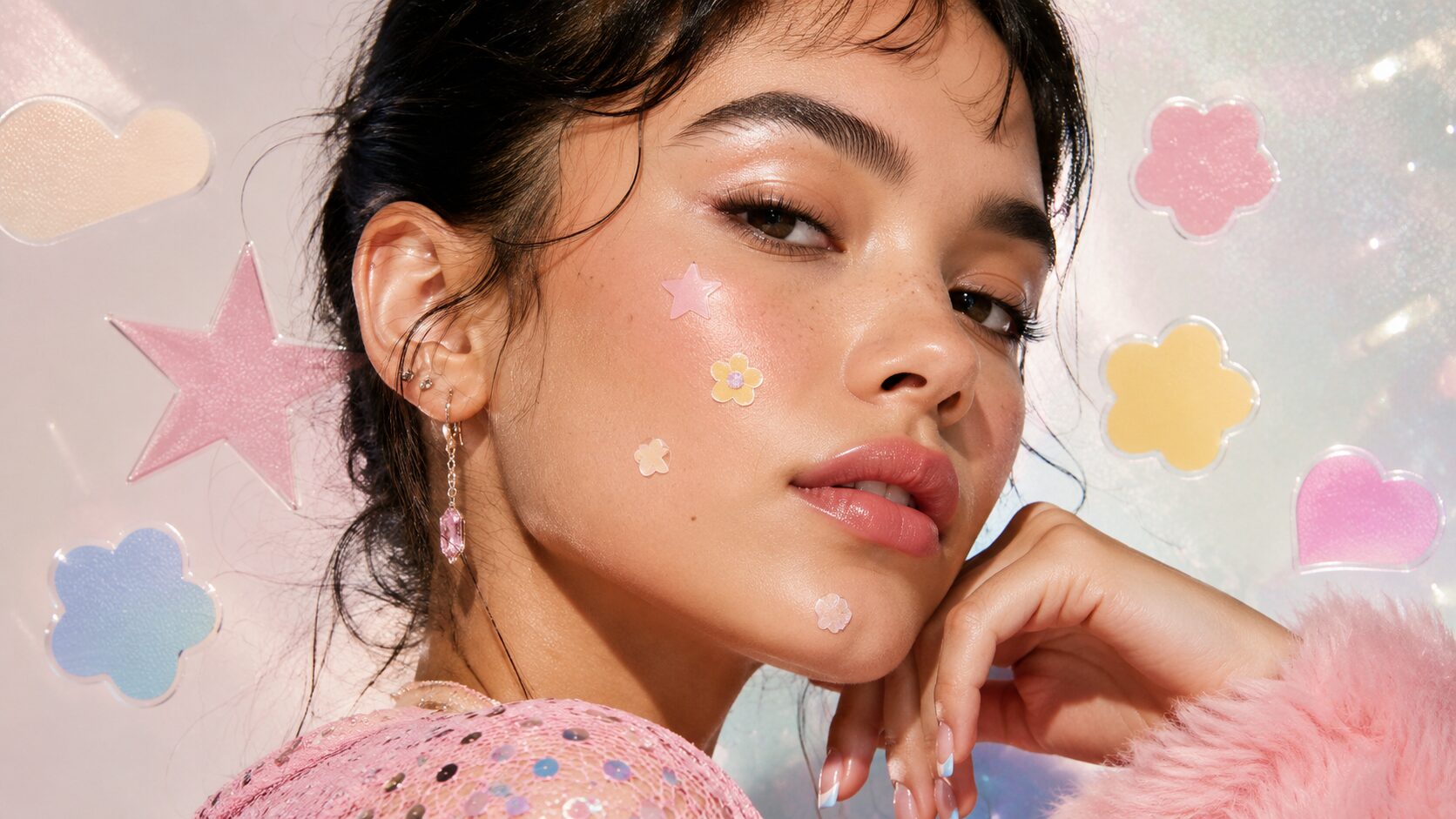
There was a time when waking up with a pimple meant entering full damage-control mode: concealer, powder, strategic lighting, maybe a slightly dramatic cancellation of plans. But in 2026, the script has flipped. Instead of hiding breakouts under makeup, celebrities, influencers, and everyday beauty lovers are turning them into something visible, playful, and oddly stylish.
The latest sign? The Cut recently framed the trend with the headline: “Pimple patches can fix a bad breakout — or a boring outfit.” Published on May 11, 2026, the article captured exactly where the beauty conversation is heading: acne patches are no longer just tiny skincare tools. They are becoming face accessories, outfit details, and even conversation starters.
That may sound dramatic for something originally designed to cover a zit. But look at the celebrity trail: Hailey and Justin Bieber, Anne Hathaway, Florence Pugh, Millie Bobby Brown, Travis Scott, PinkPantheress, Selena Gomez — the list keeps growing. What used to be a private bathroom-cabinet product is now showing up in selfies, paparazzi shots, social media stories, and festival-adjacent beauty launches.
The “cute patch” era started because hiding acne got boring
For years, the mainstream beauty industry treated acne like a problem to erase. The ideal routine was simple: treat it, cover it, pretend it never happened. But the new generation of pimple patches does something more interesting. It says: yes, there is a blemish here — and no, it does not have to ruin the look.
The Cut described the modern acne patch concept as replacing layers of makeup with a “cute patch” that treats the blemish while you wear it. That idea is important because it explains why the trend has crossed from skincare into style.
It is not just about function. It is about changing the emotional experience of having a breakout. Instead of asking, “How do I make this disappear?” the new question is, “What patch goes with the mood today?”
- ⭐ A yellow star feels playful.
- 🌸 A flower feels soft and romantic.
- 👾 A cartoon character feels funny.
- 💧 A clear invisible patch feels practical.
- ⚡ A bold festival-style shape feels intentional, almost like face jewelry.
The product still has a skincare job, but the look is now part of the point.
Anne Hathaway made the trend feel grown-up
One of the most memorable celebrity pimple patch moments came from Anne Hathaway, who posted a car selfie wearing star-shaped patches. PEOPLE covered the moment with the headline “Anne Hathaway Wears Pimple Patches in Relatable Selfie,” noting that she captioned the post, “Stars, they’re just like us.”
That tiny joke worked because it did two things at once. First, it made acne feel normal. Second, it made the patch feel intentional rather than embarrassing.
The Zoe Report went even further, calling Hathaway’s patches “colorful statement-makers” and pointing out that they deserved to be seen, not hidden. The publication connected the look to Gen Z’s casual approach to visible skincare, where a patch can be worn with the same ease as earrings or a hair clip. That matters because Hathaway is not a teen TikTok creator experimenting with novelty skincare. She is an Oscar-winning actress with cross-generational appeal. When someone like her wears visible patches with humor and confidence, the trend becomes less “teenage skincare gimmick” and more “modern beauty attitude.”
Selena Gomez turned a breakout into a joke — and that made it cooler
Selena Gomez added another layer to the story when she shared a makeup-free selfie wearing a SpongeBob SquarePants-style pimple patch. Allure covered it with the wonderfully chaotic headline “Selena Gomez’s Pimple Patch Is Cracking Me Up,” describing the patch as a very familiar face on her face.
What made the moment work was not perfection. It was the opposite. Gomez looked relaxed, barefaced, and in on the joke. According to Allure, she paired the selfie with the mood of having one of those “I feel sexy” days, even while wearing a cartoon patch over a breakout.
That is the cultural shift in one image: a pimple does not cancel beauty. A patch does not have to apologize for being visible. Humor can be part of skincare. It also shows why character-driven and limited-edition designs have become so powerful. A plain patch says, “I am treating a spot.” A SpongeBob patch says, “Yes, I have a spot — and I have a personality.”
Hailey and Justin Bieber pushed the trend into festival culture
If Anne Hathaway made pimple patches feel grown-up and Selena Gomez made them funny, the Biebers helped make them feel like a pop culture accessory.
In April 2026, Rhode introduced Spotwear, a collection of hydrocolloid pimple stickers designed in collaboration with Justin Bieber. The official Rhode product page describes the set as “Designed with Justin Bieber” and lists five shapes: Shroom, Daisy, Jelly Bean, Bubble, and Curve. The patches are 100% hydrocolloid and designed to create a protective bubble for spots while helping them look smaller, flatter, and less red.
The timing was no accident. The launch arrived around Justin Bieber’s Coachella moment, giving the patches a music-festival glow. Sports Illustrated Lifestyle reported that the campaign imagery featured both Hailey and Justin wearing the stickers, and noted fan comments like “consider me influenced” and “my breakouts are about to enter their cute era.”
The Rhode launch also proves something bigger: pimple patches now belong in the same visual world as lip treatments, blush, under-eye masks, phone cases, and festival outfits. They are part of the getting-ready ritual, not hidden away after it.
Why celebrities wearing pimple patches feels different from a normal beauty trend
Celebrity beauty trends are not new. A famous person wears a lipstick shade, and it sells out. A model uses a face mist, and the internet copies it. But pimple patches hit differently because acne carries emotional baggage.
A breakout is not just a skin event. For many people, it is tied to self-consciousness, adolescence, stress, hormones, picking, covering, and mirror-checking. That is why visible patches feel almost rebellious. They make something people used to hide into something people can style.
ELLE has connected the celebrity-loved Starface patch trend to a broader acne-positive message. In a 2024 article, the magazine noted that Justin and Hailey Bieber had been seen wearing Starface patches in social media posts and paparazzi photos. It also listed Kim Kardashian, Anne Hathaway, Florence Pugh, Addison Rae, Noah Beck, and PinkPantheress among stars spotted with colorful patches on their faces.
The same ELLE article quoted Starface founder Julie Schott reflecting on the old “before and after” beauty mindset — the idea that until skin reaches the “after,” it is flawed. Her point was simple but powerful: acne happens to human skin. So what if it were okay?
That is why the celebrity effect here is not just aspirational. It is emotional. Seeing a famous face wear a pimple patch says: this happens to them too.
The patch is now part skincare, part styling choice
The modern pimple patch has two personalities.
The first is the practical one. Hydrocolloid patches help absorb fluid from certain blemishes and protect the spot from picking, touching, and outside irritation. InStyle’s 2026 pimple patch guide quoted dermatologist Dr. Ohara Aivaz explaining that many patches are made with hydrocolloid, which helps absorb excess oil and fluid while keeping the area moist and protected.
The second personality is visual. That is where things get fun.
✨ Clear patches are for the “I have meetings today” mood.
⭐ Yellow stars are for the “I do not care who sees this” mood.
🍄 Butterflies, flowers, mushrooms, and cartoon shapes are for the “my skin is part of the outfit” mood.
🔥 Oversized patches and face-map patches are for the skincare-maximalist mood.
InStyle’s 2026 guide even separated patches by use case: overnight, fast-acting, cystic acne, daytime use, teen-friendly, dark-spot care, and budget picks. That shows how mature the category has become. It is no longer one-size-fits-all. It is situational. In other words, choosing a pimple patch is starting to feel like choosing a lip gloss. The question is not only “Does it work?” but also “When would I wear it?”
Why Gen Z made visible skincare feel normal
The reason this trend feels so natural now is that Gen Z has changed the rules of beauty visibility.
Older beauty culture often treated skincare as backstage labor. You did your routine privately, then appeared in public looking “effortless.” Gen Z, by contrast, has made the process visible. GRWM videos, pimple patch selfies, sheet masks on flights, under-eye patches before events — the ritual itself has become content.
That is why pimple patches fit so perfectly into social media beauty culture. They are small, graphic, easy to recognize, and instantly understandable in a photo. You do not need to explain the whole skincare routine. One star on the cheek tells the story.
The Cut’s article also touched on the adult side of the trend: teens may embrace colorful patches easily, but adults can have more complicated feelings about acne and sticker-like treatments. That tension is exactly what makes the trend interesting. Adults want results, but they also want permission to stop treating every breakout like a personal failure. Visible patches offer that permission.
The best celebrity pimple patch moments are really about confidence
Look closely at the celebrity examples and they are not all the same.
- Anne Hathaway’s moment was witty and relatable.
- Selena Gomez’s was silly, barefaced, and emotionally light.
- Hailey Bieber’s is polished, brand-world, and aesthetic.
- Justin Bieber wearing Spotwear turns it into a unisex, music-culture moment.
- Florence Pugh and PinkPantheress make it feel expressive and cool.
- Millie Bobby Brown brings it closer to young beauty consumers who grew up seeing acne talked about openly.
Together, these moments create a new beauty language. The patch is not saying, “Ignore my skin.” It is saying, “I am taking care of my skin, and I do not need to disappear while doing it.”
That is the bigger cultural story. Pimple patches are not popular because acne is trendy. They are popular because honesty is trendy. Playfulness is trendy. Low-shame beauty is trendy.
What this trend says about the future of beauty
The rise of pimple patches as accessories points to a bigger shift in the beauty industry: products now need to be both useful and socially fluent.
A cleanser can be effective and still disappear into the bathroom. A pimple patch, however, lives on the face. It enters selfies, school days, work calls, grocery runs, concerts, flights, and date-night prep. That makes design much more important. The future of the category will probably split into a few clear directions:
🔍 Invisible everyday patches will continue to serve people who want discretion. These need thin edges, good adhesion, and comfortable wear.
🎨 Playful visible patches will grow as a style category. Expect more stars, flowers, fruit shapes, cartoons, seasonal drops, and festival-inspired designs.
🔬 Performance patches will focus on different blemish types, including surface whiteheads, early-stage bumps, post-acne marks, and larger breakout zones.
🧘♀️ Lifestyle patches will become more common. The more beauty culture accepts visible skincare, the easier it becomes for patches to expand into under-eye care, dark-spot care, nose patches, wellness patches, and other targeted formats.
The Beauty Ed’s independent review of Rhode’s Bieberchella drop captured this blend well, describing the Spotwear designs as “part skincare, part collectable” and noting that the reviewer moved between visible colorful patches and clear invisible ones depending on the situation. That is probably where the whole category is headed: not one patch for everyone, but a patch wardrobe.
The pimple patch has become a tiny symbol of “real skin”
The reason this trend has lasted longer than a typical TikTok gimmick is that it solves a real emotional problem. Acne is common, but it can still feel isolating. A visible patch turns that private anxiety into something lighter.
Get The Gloss summed up the cultural shift neatly, writing that celebrities once avoided being photographed with anything less than perfect skin, while now normal skin is being celebrated. The publication also pointed out that patches have evolved from bulky, plaster-like treatments into options that range from nearly invisible to intentionally statement-making. That evolution is important. It means people have choices.
Some days, you may want the patch no one notices. Some days, you may want the star. Some days, you may want SpongeBob. All of those choices are valid because the beauty conversation has moved beyond perfection. The new goal is not flawless skin at all times. The new goal is skin you can live with, care for, laugh about, and decorate when you feel like it.
So, are pimple patches the new face jewelry?
Maybe not exactly. But they are closer to accessories than they have ever been.
They sit somewhere between skincare, sticker, mood board, and micro-fashion statement. They are functional enough to justify wearing and expressive enough to be noticed. That combination is rare, and it explains why they keep showing up on famous faces. The most interesting thing about the pimple patch trend is not that celebrities are wearing them. Celebrities wear lots of things. The interesting part is that people seem genuinely happy to see them wearing patches. The reaction is not “How embarrassing.” It is more like: “Same.”
That is the magic.
A tiny star on Anne Hathaway’s face. A SpongeBob square on Selena Gomez. A daisy or mushroom on the Biebers. A colorful sticker on someone heading to class, work, brunch, or a concert.
The pimple patch has become a small but powerful beauty object: part treatment, part joke, part confidence boost, part outfit detail.
And honestly? A boring outfit could use that kind of energy. ✨
“`
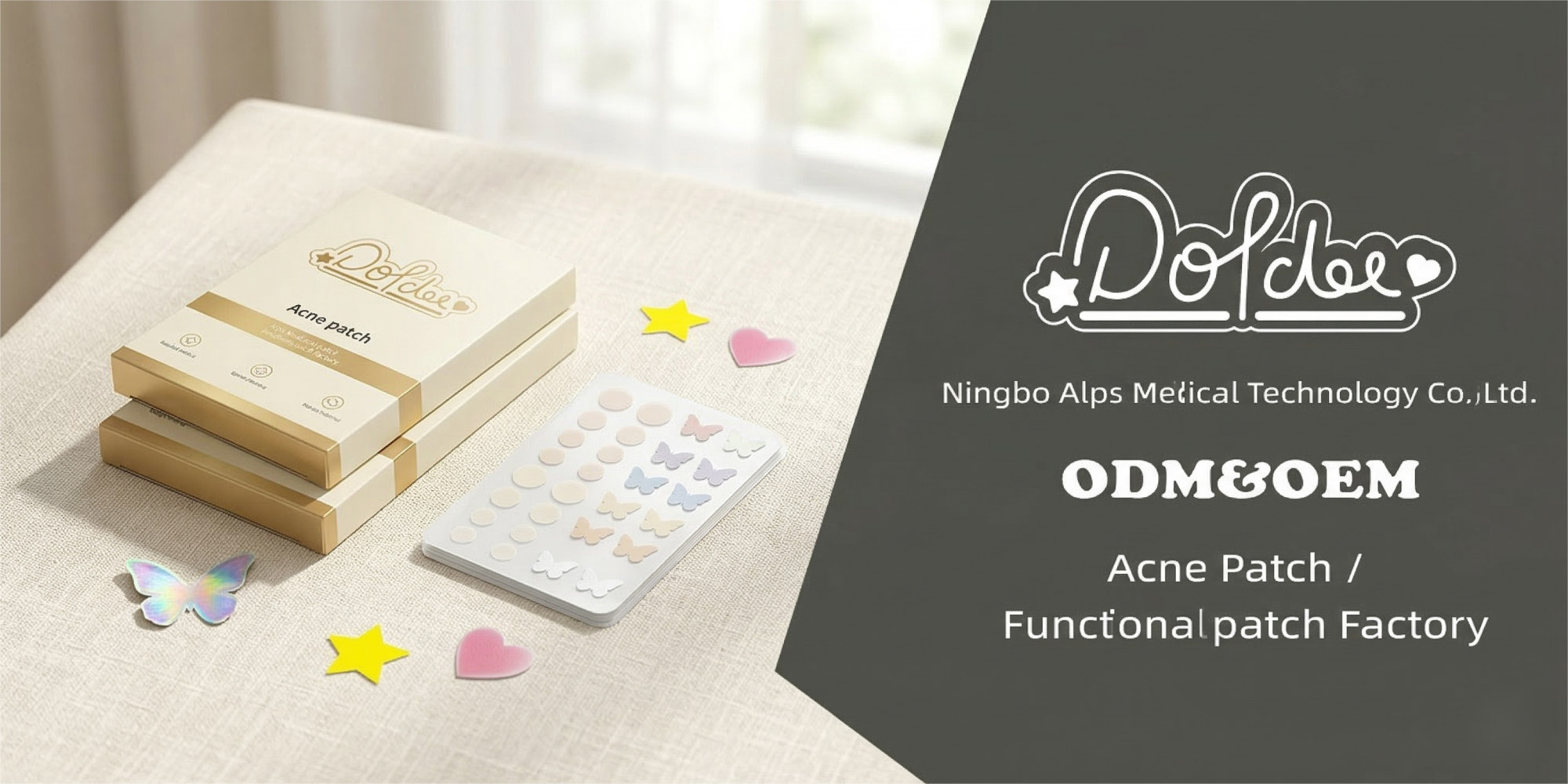
Ningbo Alps Medical Technology Co., Ltd. 15 Years of Acne Patch Factory Manufacturing and Wholesale