Chappell Roan Makes MAC Viva Glam Feel Like a Pop Star Movement Again
_画板-1-1-300x300.png)
Alps Medical
15 Years of Acne Patch Factory Manufacturing and Wholesale
Chappell Roan Makes MAC Viva Glam Feel Like a Pop Star Movement Again
Pride Month, theatrical makeup, and one very dramatic red lip are reminding everyone why beauty is at its best when it has a point of view.
Every few years, a beauty campaign arrives that feels bigger than a product launch. It has the glamour, of course. It has the makeup. It has the celebrity. But it also has a charge in the air, the feeling that the look is saying something before anyone even reads the caption. Chappell Roan’s MAC Viva Glam campaign is one of those moments.
The timing is almost too perfect. Pride Month. A pop star whose entire visual world is built on drag, theater, camp, queerness, fantasy, and emotional exaggeration. A heritage makeup brand with one of the most famous charitable beauty programs in the world. A lip collection that does not whisper “natural beauty,” but instead walks into the room in a deep red lip and dares everyone to pay attention.
Allure reported that Roan is the newest face of MAC Viva Glam, joining a legacy that includes RuPaul, Lady Gaga, Ariana Grande, Rihanna, Rosalía, Christina Aguilera, Miley Cyrus, and Missy Elliott. That list alone explains why this collaboration matters. Viva Glam has never been just another lipstick campaign. Since the 1990s, it has lived at the intersection of makeup, music, performance, queer culture, and fundraising. MAC’s newest chapter with Roan does not feel like a nostalgic throwback; it feels like a very 2026 update of that original spirit.
The campaign also arrives at a time when beauty audiences are craving more than polished product shots. They want personality. They want purpose. They want a reason to care. A lipstick shade can still be beautiful, but a beauty moment becomes memorable when it connects to identity, community, and a larger cultural mood. Chappell Roan has built her career on exactly that kind of connection, which is why this partnership feels less like a celebrity endorsement and more like a pop-star takeover of a beauty institution.
💄 Chappell Roan was practically built for Viva Glam
Some celebrity beauty partnerships feel random. A famous face gets attached to a product, the campaign looks expensive, and everyone politely moves on. This one feels different because Chappell Roan already uses makeup as part of her storytelling. Her beauty language is not subtle, and that is the point. She does not use makeup simply to look camera-ready; she uses it to build characters, amplify emotion, and create a stage version of herself that is glamorous, strange, powerful, funny, and sometimes a little unsettling.
That makes her a natural fit for MAC. The brand has always had a strong relationship with artistry and performance. MAC is not just “pretty makeup” in the traditional soft-focus sense. Its history includes club kids, drag artists, makeup artists, pop stars, fashion shows, and people who use cosmetics as a way to become larger than life. Viva Glam, in particular, has always understood that a lipstick can do more than decorate the face. It can signal belonging, confidence, rebellion, and support.
People reported that Roan’s Viva Glam collection features three lip products: a deep red matte lipstick called UnNatural Red Head, a plum lipstick-balm hybrid named Roan of Arc, and a sheer red-plum shimmery gloss called Damnsel. The names feel very Chappell Roan: dramatic, playful, a little medieval, a little camp, and very aware of their own performance. Who What Wear also described the campaign as French Revolution-inspired, with Roan starring as a warrior figure. That detail matters because it puts the makeup into a story. This is not just a celebrity holding lipstick. This is a beauty campaign with a costume, a world, and a personality.
That is what makes it work. Roan does not flatten herself to fit the brand. The brand expands to fit her.
💋 The red lip is back, but this time it has politics, performance, and personality
A red lip is one of the oldest beauty symbols in the book. It can be classic, romantic, powerful, glamorous, dangerous, retro, rebellious, or theatrical depending on who is wearing it and how. On Chappell Roan, a red lip does not feel like a polite finishing touch. It feels like an entrance.
That is important because beauty has spent the last several years obsessed with softness. Clean-girl skin, barely-there brows, lip oils, glazed finishes, neutral tints, skin-like base makeup, quiet luxury, and “I woke up like this” minimalism have dominated the conversation. There is nothing wrong with that; soft beauty can be beautiful. But Roan’s Viva Glam campaign reminds people that makeup can also be loud, narrative, symbolic, and gloriously extra.
This is part of a larger shift happening in beauty culture. After years of minimalism, consumers are again interested in products that feel expressive. Marc Jacobs Beauty’s return with stars, hearts, daisies, and a more playful attitude points in the same direction. Starface turned acne patches into bright yellow face accessories. Rhode’s Spotwear took pimple patches into festival beauty. E.l.f. launched haircare with a humorous Bigfoot campaign. The industry is rediscovering that fun is not the enemy of credibility.
Roan’s MAC campaign fits beautifully into that moment. It gives people a reason to wear a bold lip again, not because a trend report says so, but because the look feels alive. It has character. It has stakes. It reminds the viewer that beauty can be a costume, a mood, a declaration, and a little bit of theater.
🏳️🌈 Pride Month makes the campaign feel even more culturally charged
The June timing is not just convenient; it gives the campaign emotional context. Roan’s work has always been tied to queer identity, performance, and community, so a Pride Month Viva Glam launch feels especially resonant. Allure reported that MAC is donating $300,000 to Roan’s Midwest Princess Project and its LGBTQ+ partner organizations. People also noted that 100% of the selling price from the collection goes to Viva Glam charities supporting gender, sexual, racial, and environmental equality around the world.
That matters because beauty consumers are increasingly alert to the difference between surface-level Pride marketing and campaigns that make a real contribution. Every June, audiences see rainbow packaging, limited-edition products, and vague slogans about love and acceptance. Some of it feels meaningful, and some of it feels like seasonal decoration. MAC has an advantage here because Viva Glam has a long philanthropic history, and Roan brings a very clear personal connection to the LGBTQ+ community.
NYLON framed the launch as more than a vampy beauty moment, pointing to Roan’s foundation and the campaign’s connection to sexual, environmental, and racial justice. That kind of coverage shows why this launch feels more substantial than a standard celebrity lipstick drop. It has the entertainment appeal of a dramatic campaign image, but it also connects to community funding and advocacy.
The result is a campaign that feels both glamorous and grounded. The visuals are theatrical, but the mission is not imaginary. That combination is powerful because modern beauty audiences want fantasy, but they do not want fantasy that feels empty.
📼 The “old MAC” energy feels surprisingly new again
Part of the reason this collaboration is getting so much attention is that it taps into nostalgia for MAC’s most iconic era. For many makeup lovers, MAC was not just a brand; it was a beauty education. It was the counter people visited when they wanted their first “real” lipstick. It was where makeup artists seemed impossibly cool. It was the brand associated with stage makeup, music videos, fashion editorials, club culture, and shades that had actual names people remembered.
Chappell Roan understands that mythology. People reported that she associated MAC with the fantastical starlet version of herself before she had full access to the brand in her hometown. That detail is charming because it captures how many people encountered MAC: not just as makeup, but as a symbol of entering a more dramatic, adult, glamorous beauty world.
Her Viva Glam campaign brings back that feeling without making it look outdated. It is not trying to recreate a 1990s MAC ad exactly. Instead, it revives the attitude: makeup as transformation, makeup as performance, makeup as identity. In a beauty market often dominated by soft beige packaging and skincare-coded minimalism, that attitude feels fresh again.
That may be why this campaign feels like a pop star movement. It is not only selling the idea of a lip product; it is selling the idea that makeup can still be thrilling.
🎭 Beauty campaigns now need a world, not just a face
One of the most interesting things about 2026 beauty news is how many successful launches are built like little entertainment universes. Rhode is not just releasing bronzer; it is building Rhode World with summer pop-ups and lifestyle-coded products. Kylie Cosmetics is not just posting makeup; it is reviving the brand-trip fantasy with beach visuals and branded objects. Marc Jacobs Beauty is not just relaunching; it is returning with a full visual attitude. Ulta is turning beauty shopping into TikTok livestream events. MAC and Chappell Roan are not simply selling lipstick; they are creating a Pride Month campaign with music, history, charity, costume, and character.
This is the new rule: a beauty product needs a scene. It needs a setting, a reason to screenshot, a personality to attach to it, and a story that gives the product cultural energy. A lipstick alone can be pretty. A lipstick inside Chappell Roan’s Viva Glam world becomes a symbol.
That same logic is why pimple patches became so interesting in beauty culture. On paper, a hydrocolloid patch is small and practical. But when Starface shaped it like a yellow star, it became a visual identity. When Rhode called its patches Spotwear and linked them to the Biebers and Coachella, it became a festival beauty story. When celebrities wear patches in selfies, acne care becomes part of the wider conversation about real skin and public beauty rituals.
Beauty today is not only about what a product does. It is also about what kind of moment the product creates.
🩹 What a lipstick campaign can teach us about visible skincare
At first glance, MAC Viva Glam and pimple patches might seem like completely different beauty conversations. One is a bold lip collection tied to Pride Month and pop performance. The other is a small skincare item used to cover or treat a blemish. But culturally, they are closer than they look.
Both are about visibility. A red lip makes the mouth impossible to ignore. A colorful pimple patch makes a breakout less hidden. Both can turn the face into a message. Both can be playful, defiant, decorative, and emotional. Both challenge the idea that beauty should always be quiet, invisible, and perfectly blended.
This is why the Chappell Roan campaign is relevant beyond makeup. It reflects a larger appetite for beauty with a point of view. Consumers are responding to products and campaigns that let them express something. That might be queer joy, stage fantasy, acne positivity, retro glamour, clean skin confidence, or simply the choice to be seen.
Visible skincare has been growing for the same reason. The rise of Starface, Rhode Spotwear, and acne-positive patch culture shows that people are more comfortable letting the process of skincare appear in public. A patch on the cheek no longer automatically means embarrassment. Sometimes it means self-care. Sometimes it means humor. Sometimes it means the patch actually matches the outfit.
Roan’s Viva Glam campaign takes that same emotional freedom and applies it to the mouth. It says the lip can be loud. The face can be theatrical. The beauty routine can be political, personal, and entertaining all at once.
✨ The return of maximalist beauty does not mean minimalism is over
Chappell Roan’s MAC moment also raises a fun question: is maximalist beauty back? The answer is yes, but not in the old way. Minimalist beauty is not disappearing. People still love skin tints, lip balms, clean packaging, and effortless glow. Rhode’s bronzer launch, Jones Road’s illuminating drops, and the ongoing popularity of “skin first” makeup all prove that softness is still powerful.
What is changing is that consumers no longer want only one beauty mood. They want options. They may want a barely-there base during the day and a dramatic lip at night. They may want clean skin and messy eyeliner. They may want invisible pimple patches for work and colorful stars for a concert. They may want a quiet skincare routine and a loud lipstick. Modern beauty is becoming less about choosing one identity and more about moving between different versions of the self.
That is why Roan’s campaign feels so right for 2026. It does not replace minimalism; it gives people permission to be theatrical again. It reminds beauty lovers that the face can be a canvas, not just a surface to perfect.
The takeaway: MAC did not just choose a pop star — it chose a whole cultural mood
Chappell Roan’s Viva Glam campaign works because it understands the current beauty landscape. It has celebrity appeal, but not empty celebrity appeal. It has nostalgia, but not stale nostalgia. It has Pride Month relevance, but not surface-level rainbow marketing. It has a charity mission, but it still feels fun. Most importantly, it has a point of view.
That is what beauty audiences are responding to now. They want products that do something, but they also want products that mean something. They want to see themselves in the story. They want room for humor, identity, performance, real skin, bold color, softness, drama, and choice.
With Chappell Roan, MAC Viva Glam feels like a reminder that makeup has always been more than makeup. It can be costume, confidence, protest, flirtation, fantasy, and community support in one swipe. That is why this launch feels like more than another celebrity campaign. It feels like a pop star movement again. 🎤💄
More News
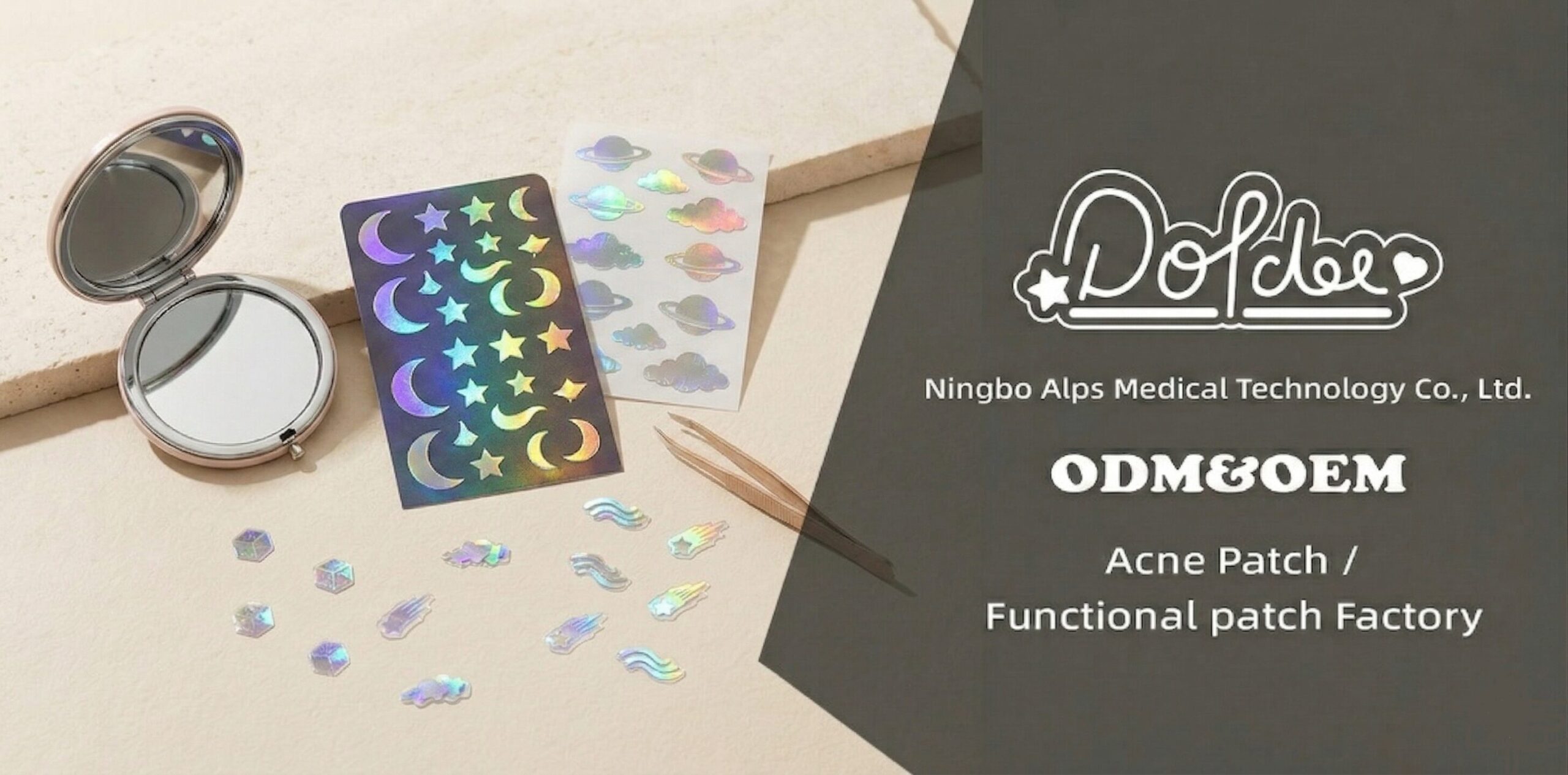
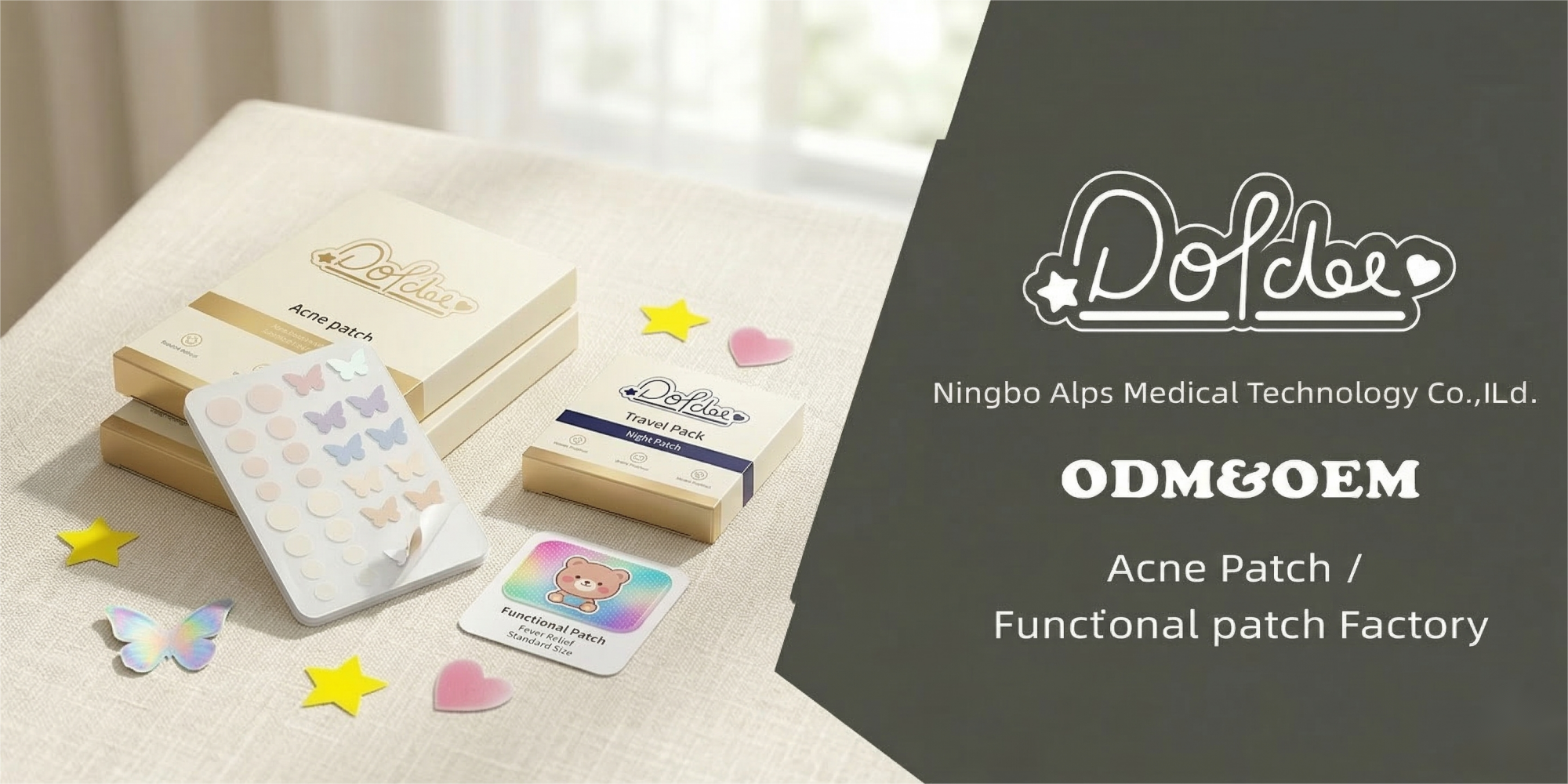
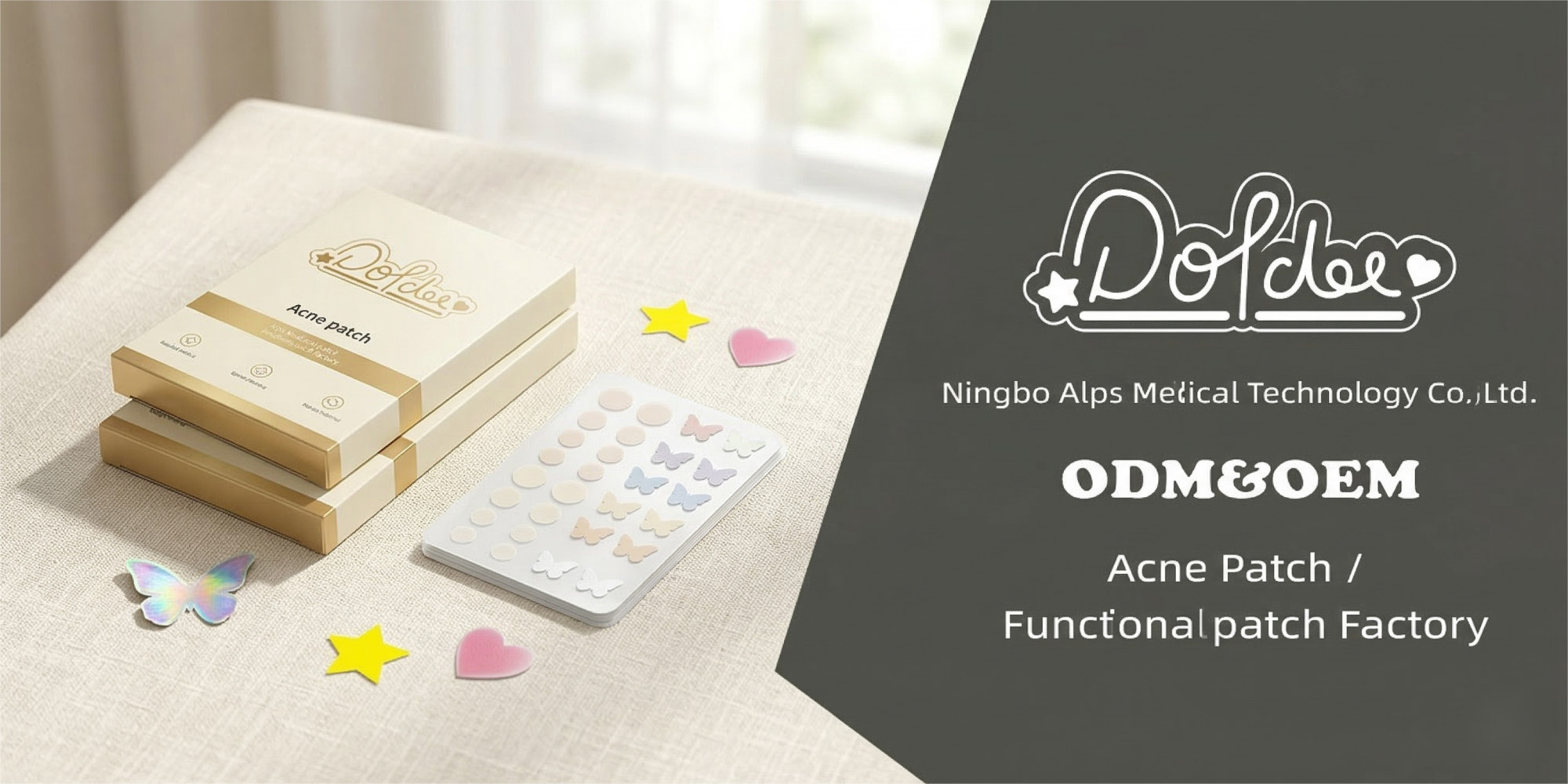
Ready to start your acne patch business? Whether you need custom formulas, private label packaging, or free samples, our team is just one message away.
*We takes your privacy very seriously. All information is only used for technical and commercial communication and will not be disclosed to third parties.
Let’s Create Your Custom Acne Patch Line
Take your skincare brand to the next level with our customized acne patch solutions. Every product we make is built on precision, performance, and partnership — helping you deliver real results that reflect your brand’s quality and care.
_画板-1-e1760947912226.png)
Ningbo Alps Medical Technology Co., Ltd. 15 Years of Acne Patch Factory Manufacturing and Wholesale
©2026All Rights Reserved.
Product
Quick Links
Get In Touch
Xingwen Future Technology City, No. 1001 Tanjiang North Road, Shounan Subdistrict, Yinzhou District, Ningbo City